
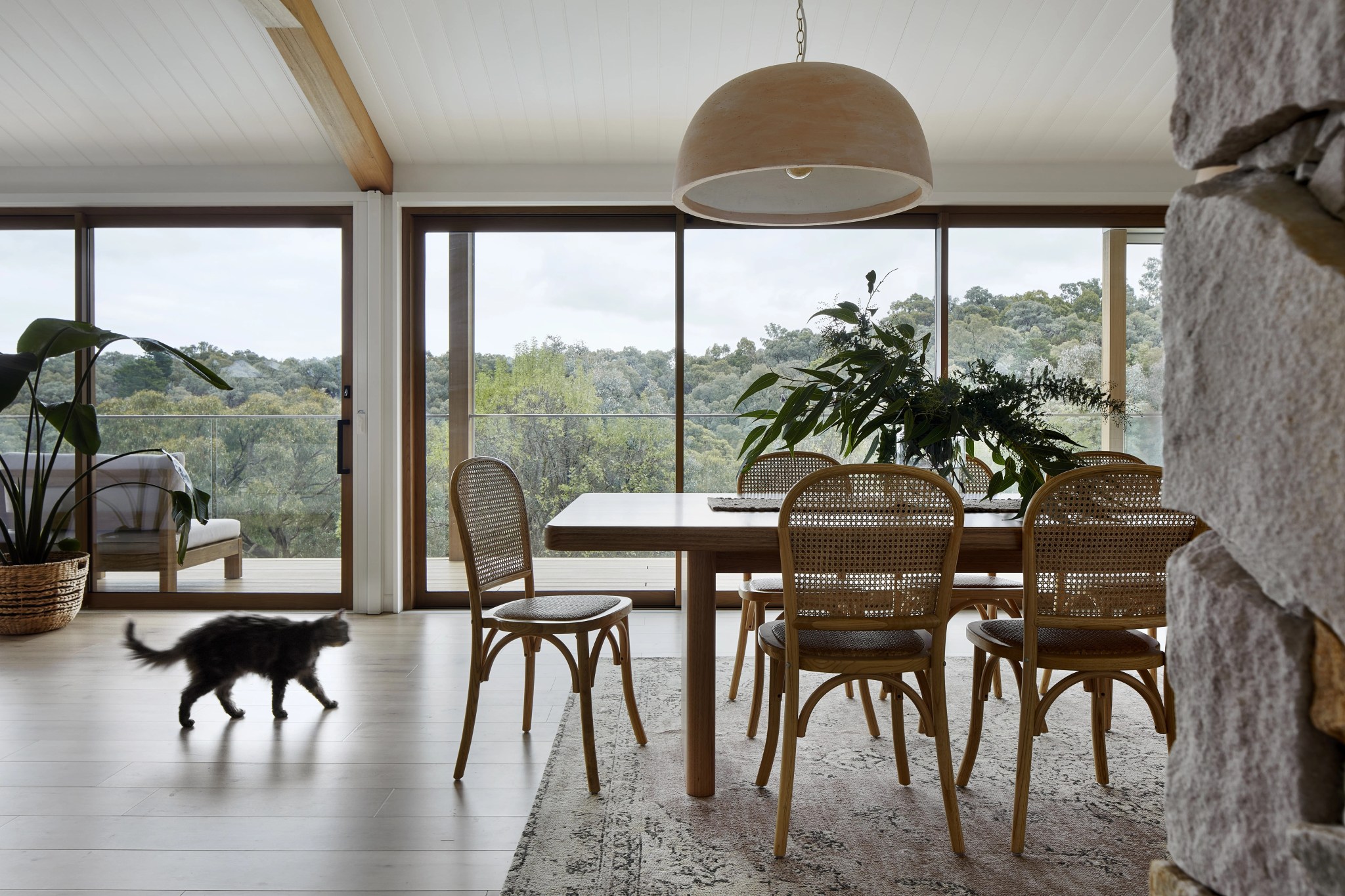
A practical walkthrough of the custom home design process in Melbourne, concept, documentation, council, construction.
Building a custom home is one of the most significant projects a person will undertake. Done well, it produces a home shaped entirely around your life, your site and your brief. Done poorly, it produces stress, cost overruns and a result that doesn't quite match what was imagined. Understanding the process before you begin is the best protection against the latter.
1. Defining your vision
Every custom home starts with a brief. Before any design work begins, it's worth spending time thinking carefully about how you want to live: which rooms you spend most time in, how you move through a house, how your needs might change over the next ten to fifteen years, and which aspects of your current home frustrate you most. This thinking shapes every design decision that follows.
2. Choosing the right team
A custom home requires a team: typically a building designer or architect, an interior designer, an engineer and a builder. The quality of the outcome depends heavily on how well these people communicate and whether they have a shared understanding of your brief. Choosing professionals who have worked together before, or who have a clear process for collaboration, reduces the risk of decisions falling between the cracks.
3. The design process
Design typically moves through several stages: initial concept, schematic design, design development and construction documentation. Each stage builds on the last, and each is an opportunity to test ideas against your brief and your budget before they become fixed. The more resolved the documentation, the fewer surprises during construction.
4. Selecting materials and finishes
Materials and finishes are where a custom home becomes personal. The decisions made here, from structural materials through to joinery profiles and hardware, define the quality and character of the result. These selections should be made with both aesthetics and durability in mind, and ideally resolved before construction begins rather than under pressure on site.
5. Construction
A well-documented set of plans makes for a smoother construction phase. Your builder should be able to price accurately from the documentation, commit to a fixed contract and give you a realistic program. During construction, clear communication between the builder, the design team and the client is what keeps the project on track and ensures the design intent is carried through to the finished home.
6. Handover and moving in
Handover is the moment the home is formally returned to you. A thorough builder will walk you through every system, every finish and any outstanding items, and will provide a defect period during which any issues are resolved. A 12-month aftercare period is standard at Demardi, ensuring that any items that emerge in the first year of occupation are properly attended to.
Building a custom home is a significant undertaking, but with the right preparation, a clear brief and a team who communicates well, it's also one of the most rewarding. If you'd like to talk through your project, we're always happy to have a conversation.
Next Step
Ready to start your project?
We take on a limited number of projects each year. Tell us about yours and let’s see if we’re the right fit. You don’t need to come in with all the answers. We’ll help you understand the best next step for your project.